


-
SUSHI YAVAI
Takahiko Hirai, CEO of the 881 (YAVAI) Group—a group that is never short of newsworthy topics—has built a headquarters operation for a business offering an authentic sushi course for 4,400 yen, including tax. The course currently has a waiting list of up to six months. Hirai appeared as a contestant on an investment-focused YouTube programme, attracting considerable attention. During the programme, he presented his unique business plan and successfully secured 12 million yen in investment in a full-round deal.
Despite his eccentric appearance, Mr.Hirai spoke with remarkable seriousness and passion about the system he has developed to train sushi chefs in just two months. He discussed the concept at length over two sessions, spending several hours explaining how the system works.
His ambition to help highly motivated young people become independent within three years is particularly striking—a concept rarely seen these days.
Mr.Hirai originally appeared on a popular television programme featuring ramen. This experience marked the beginning of his career in the food and beverage industry in earnest. He went on to successfully operate ramen shops and numerous other restaurants, while also experiencing his share of setbacks along the way.
From these experiences, he developed a new business model: an “omakase sushi course” YAVAI SUSHI served as an entertainment experience at a fully reservation-only restaurant.
He spoke to us about his unique concept and meticulous management system.
■ How the “4,400-yen Authentic Counter Sushi Course” Business Model Works
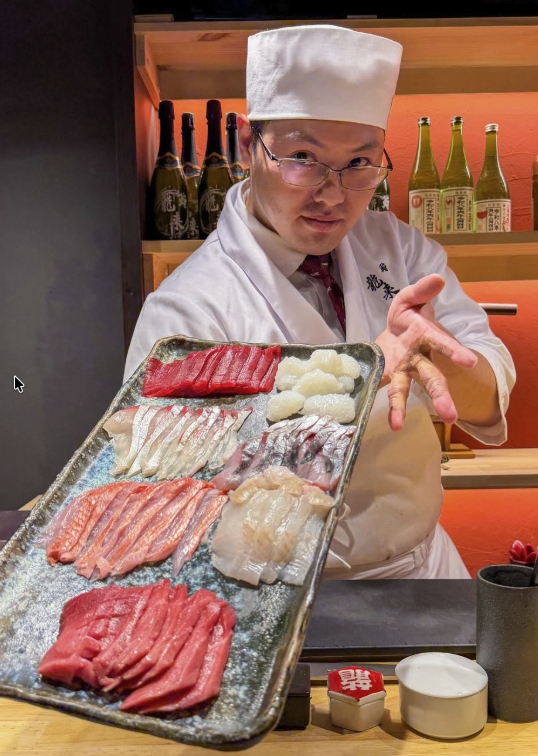
Search for the concept using AI, and titles similar to the one above quickly appear in the results. The group currently operates restaurants in Shinsaibashi, Kitashinchi and Kyobashi in Osaka, as well as Ikebukuro in Tokyo. Thanks to strong customer support, it is now difficult to secure a reservation at any location other than the newest restaurants. Behind this exceptional value for money is a meticulous management system.
Head office staff closely monitor the numbers and contact restaurant managers whenever they identify unnecessary costs in procurement—even something as small as a single plastic bag—to advise them on ways to improve efficiency.
The 4,400-yen price point is extremely important.
We do not serve lunch. In Japan, customers are unlikely to perceive 4,400 yen as particularly inexpensive at lunchtime. By offering an authentic, high-quality dinner course at that price, however, we aim to create an overall experience that makes customers want to come back.
Most restaurants operate with a manager and just one service staff member.
The decision to adopt a counter-style sushi format was also made with the cost of service staff in mind.
■A Restaurant Without a Sign, Built Around Repeat Customers

We do not put up a sign. Because the restaurants operate by reservation only, we deliberately make them difficult to find. Of course, some customers get lost, but having to search for the restaurant makes the experience memorable, and they tend to remember the location when they return.
Because repeat customers make up the majority of our business, reservations are often booked six months in advance. Whenever possible, we encourage customers to make their next reservation after their meal.
We spend almost nothing on advertising. Instead, customers spread the word through personal recommendations, online reviews and social media.
All of our restaurants are small spaces with counter seating only. When guests arrive, everyone watches a video on a screen that tells the story of the restaurant manager’s life.
While the video is playing, the manager and service staff continue preparing for the meal. Later in the course, distinctive moments from the manager’s life, as introduced in the video, are incorporated into dishes prepared with particular care and passion. The manager will eventually become the owner of the restaurant.
If the manager were to tell their own story in person every time, the content could vary. By using a video, we can consistently introduce the manager’s story to guests and create an emotional connection before serving a dish inspired by that story, making the experience more memorable.
Many of our restaurants also operate two dinner sessions, at 17:30 and 20:00. This helps ensure that guests arrive on time for their reservations.
Because we prioritise repeat business, we are not currently targeting inbound tourists from overseas.
■ A Business Model Designed to Evolve and Last
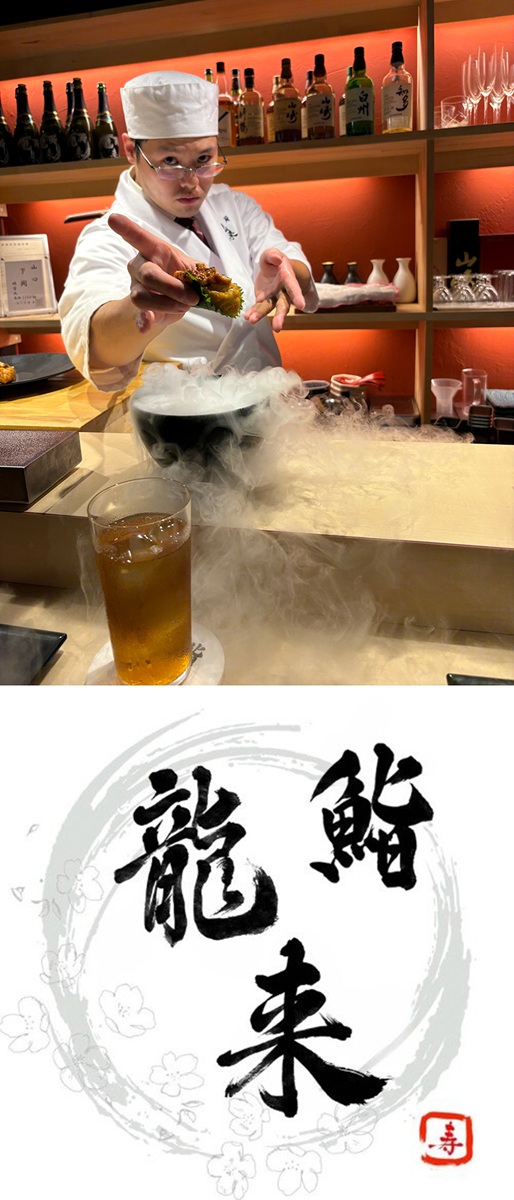
I believe that business owners today should pay young people more. That is why I want them to reach positions where they can earn an annual income of 10 million yen and become restaurant owners within three years.
After that, they gradually pay our company a fee for using the system. Because we have built a proven business model and operating system, we can maintain a mutually beneficial, long-term relationship. Choosing the counter-style sushi format was also the result of careful consideration of every aspect of the business model.
However, if we fail to evolve, customers will eventually lose interest. That is why we continue to work hard every day to improve and innovate.
I give talks in various places and appear in the media, but I use all of these activities simply to guide people to our restaurants. I have no interest in becoming famous for my own sake. After a talk, people who think, “I’d like to try the restaurant sometime,” sometimes become regular customers.
Customers come to our restaurants from all over Japan. Whenever a manager prepares sushi, customers photograph their movements and sushi-making techniques and share them on their own social media accounts.
Going forward, we want many more young, promising people to become owners and ultimately expand the business to 200 restaurants across Japan. We also want them to have enough time and flexibility in their lives, so we leave the number of days off and working hours largely up to them. We always include the manager’s name in the restaurant’s name as well. This is intended both to express our commitment and to ensure that, when the manager eventually becomes the owner, they can immediately recognise the restaurant as their own.
Taking Sushi and Ramen to the World

Serving ramen at the end of the meal is a highly effective way to offer an additional dish at a low cost. Some younger male customers, in particular, may still have room for more food at the end of the sushi course. We therefore offer ramen in large, medium and small portions, served as a creamy, hearty seafood-based white broth.
The broth is made from fish purchased that day, allowing us to make effective use of ingredients and minimise waste.
When travelling overseas, I have seen Japanese restaurants that combine several different types of cuisine and business formats. I also want to leverage and share the ramen expertise I have developed over the years.
This is not my first experience expanding overseas. I have previously entered the Thai and Chinese markets in partnership with acquaintances. Going forward, I want to take the business global by providing overseas partners with the sushi licence and expertise we have developed in Japan.
I believe the omakase sushi course is particularly well suited to overseas markets. Overseas owners do not necessarily need to be chefs themselves. They simply need to be young, motivated and driven. Training can take place either in Japan or in their home country. We will also teach them how to minimise waste across all ingredients, including fish.
What matters most is the relationship between the overseas owner and me. Language and customs may differ, but because we are granting them a licence to operate the business, personal compatibility and mutual trust are essential.